Your buyers are asking what the embedded carbon is in the specific product they're purchasing — not your annual total, not an industry average. Sesame helps you answer with confidence, and improve the number.
Carbon intensity is the same per-unit, first-principles math Sesame has always used for levelized cost — applied to carbon. Sesame traces it through every step of production and supply — electricity, fuels, feedstocks, upstream materials — so a product's carbon intensity reflects how it was actually made. That turns a reporting figure into a planning tool: compare interventions, evaluate suppliers, and find the lowest-cost path to the number your buyers and programs require.
Carbon capture cuts direct emissions ~56% — but the product's true carbon intensity only emerges once electricity supply and upstream flows are counted. From our BF-BOF case study with the EFI Foundation ↗
First-principles models of your processes and supply chain compute carbon intensity for the specific product and route — not a generic benchmark.
CCS, electrification, fuel switching, supplier changes — see what each does to product carbon intensity and what it costs, before committing capital.
Optimize toward the thresholds that matter — border adjustments, tax credits, procurement standards — at the lowest cost per ton avoided.
Sesame's product carbon intensity methods are developed in the open, through published case studies with the EFI Foundation — pathway by pathway.
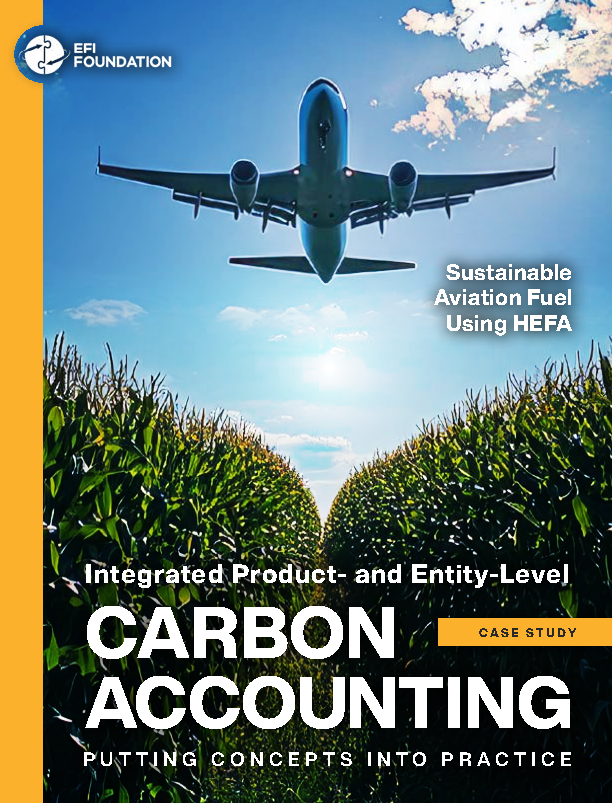

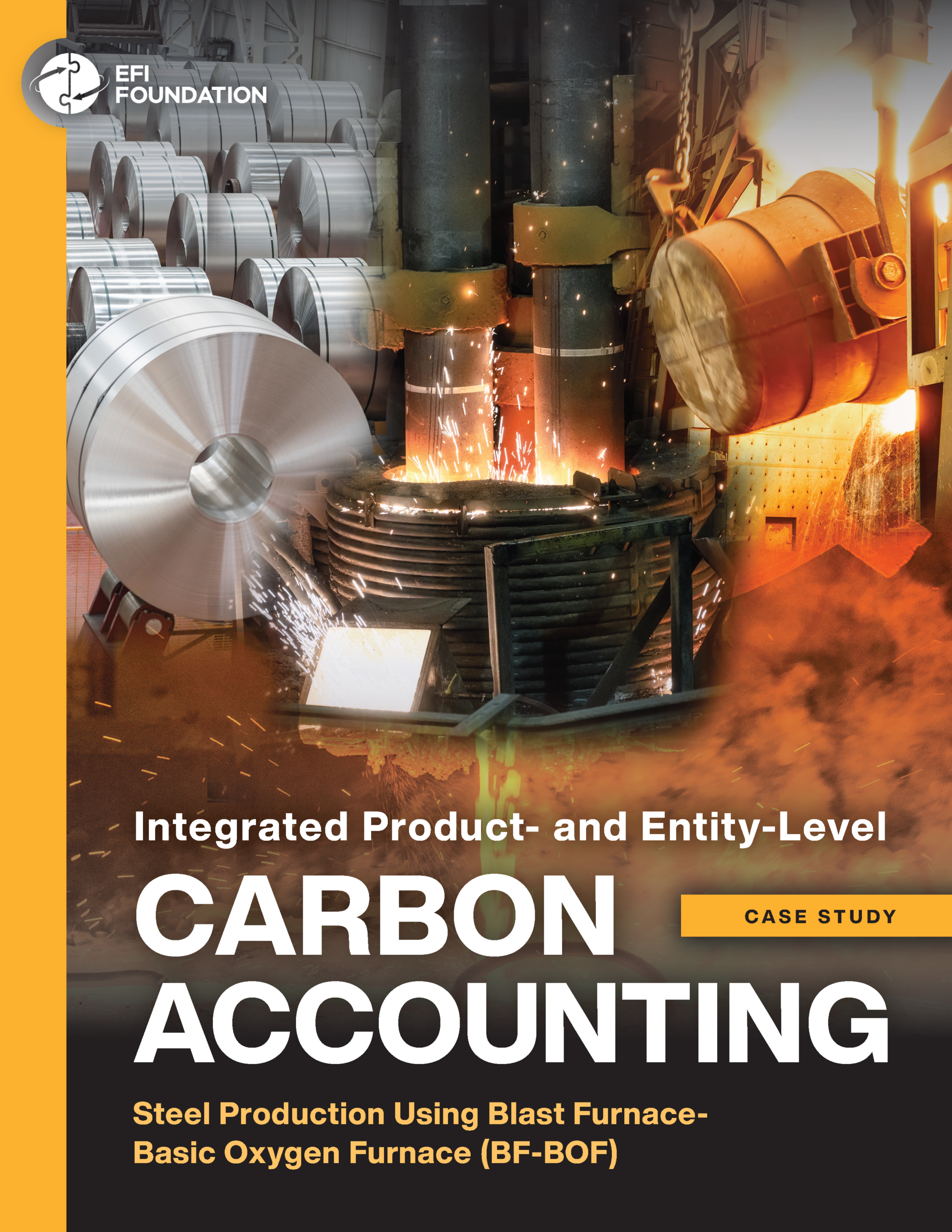
Explore the full body of work at the EFI Foundation's Carbon Accounting project ↗
"Sesame is a strategy and planning tool — built to work alongside your carbon accounting and reporting systems. We're advancing product carbon intensity methods at the forefront of the field through our collaboration with the EFI Foundation."
Emre Gençer · Cofounder & CEO
Bring one product and one route — we'll show you its carbon intensity and the cheapest way to improve it.
See it in action Get in touch